

Pain when you try to have sex, insert a tampon or get through a pelvic exam can be confusing, upsetting and isolating. If that sounds familiar, you may be living with vaginismus.
Vaginismus is real, it’s common, and it’s treatable. It isn’t something to be embarrassed about, and pain is not something you have to accept.
What is vaginismus?
Vaginismus is an involuntary tightening of the muscles around the vagina when penetration is attempted, or even just expected. It can make penetration painful, difficult or impossible.
The key word is involuntary. It can happen when you want to have sex, feel emotionally ready and know it shouldn’t hurt. It is not a lack of desire, and it is not “just nerves”.
Clinicians often describe vaginismus as part of a broader diagnosis called genito-pelvic pain/penetration disorder. Muscles, the nervous system, past experiences and other health factors all play a part, and the mix is different for everyone.
Common symptoms
- Pain, burning or discomfort when penetration is attempted
- Muscles that tighten on their own
- Trouble inserting tampons or menstrual cups
- Pain or difficulty during pelvic exams
- A feeling of pressure, resistance or a “wall” at the vaginal opening
- Fear or anxiety before penetration
- Avoiding intimacy because you expect it to hurt
Pain with penetration isn’t always vaginismus. Vulvodynia, infections, hormonal changes and endometriosis can feel similar. A proper assessment helps sort out what’s going on.
What causes it?
There’s rarely one cause. Most often several of these overlap.
- Pelvic floor tension. These muscles support your bladder, bowel and reproductive organs. When they stay tight or struggle to relax, penetration hurts.
- Past painful experiences. A painful first attempt, a rough exam or a birth injury can teach the body to brace. Pain and tension then feed each other.
- Fear of pain. Worry switches on the body’s protective response. That doesn’t mean it’s “in your head”: your nervous system and pelvic floor are closely linked.
- Hormonal and medical factors. Low estrogen after menopause or while breastfeeding, dryness, infections and skin conditions can all cause pain. These need treating too.
- Trauma or stress. Some people with vaginismus have a history of trauma, and many don’t. Either way, care should be patient-led and paced by you.
Can vaginismus be treated?
Yes. Most people improve with the right support. The goal is never to force penetration. It’s to reduce pain, help your muscles relax and coordinate, and build confidence at a pace that feels safe.
How pelvic floor physiotherapy helps
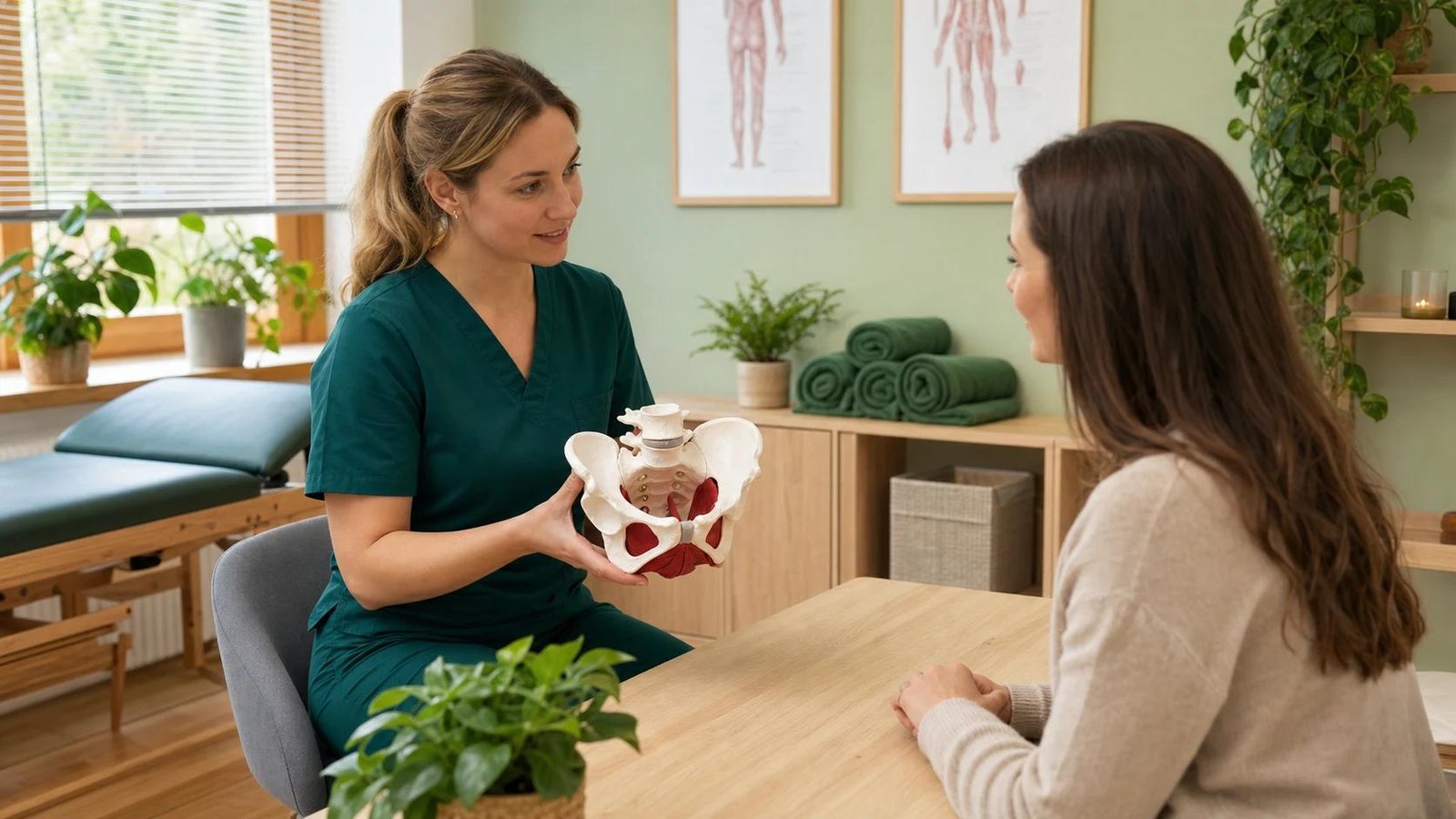
When muscle tension or guarding is part of the picture, pelvic floor physiotherapy is often a core part of treatment. Here’s what that can include.
- Understanding your body. We start by explaining how your pelvic floor works and why it’s tensing. Knowing what’s happening takes away a lot of the fear.
- Learning to relax, not squeeze. More Kegels won’t help a pelvic floor that’s already tight. We teach you how to release and coordinate these muscles instead.
- Breathing and calming the nervous system. Belly (diaphragmatic) breathing helps the pelvic floor let go. You’ll practise it in a way that suits you.
- Gentle hands-on therapy. With your consent, gentle manual techniques can ease muscle tension and sensitivity.
- Gradual dilator work. If dilators are right for you, we introduce them slowly and teach you to use them at home. Nothing is ever forced.
At Harmony, pelvic health physiotherapy is part of our [LINK: Pelvic Health Physiotherapy] service. Our physiotherapists are authorised by the College of Physiotherapists of Ontario to perform internal pelvic assessments.
Do I need an internal exam?
No, not unless you want one and it’s clinically useful. Many people are anxious about internal exams, especially when penetration already hurts. That’s completely understandable.
We can start with a conversation, an external assessment, breathing and education. You can ask questions at every step, set boundaries, and stop or decline anything at any time. Your comfort and sense of control come first.
Care beyond physio
Vaginismus often responds best to a team approach.
- Psychotherapy. When fear, anxiety or past experiences are part of the picture, talk therapy helps. Harmony offers [LINK: Counselling and Psychotherapy] under the same roof, so your physio and therapist can work together.
- Medical assessment. Your family doctor or gynaecologist can check for infections, skin conditions, hormonal changes or vulvar pain conditions.

What happens at your first visit
- We talk. When the pain started, what triggers it and how it affects your life. You share only what you’re comfortable with.
- We explain your options. Before any physical assessment, we walk you through what’s involved and agree on your boundaries.
- We build your plan together. Education, relaxation and breathing, exercises, hands-on care, or a referral for medical assessment, depending on what you need.
There’s no fixed timeline. Some people notice change within a few visits; others need longer. Progress depends on how long symptoms have been there, other health factors, and practising your home program. There’s no rush and no comparing.
When to seek help
Book an assessment if you have repeated pain with penetration, trouble with tampons, painful pelvic exams, ongoing burning at the vaginal opening, or fear that’s affecting your intimate life.
See a doctor promptly for new or severe pelvic pain, fever, unusual discharge or unexpected bleeding.
Frequently asked questions
Is vaginismus psychological or physical? Both, usually. Muscle responses, pain sensitivity, the nervous system, past experiences and emotions all interact.
Can I have vaginismus even if I want to have sex? Yes. Vaginismus is an involuntary muscle response, not a lack of desire.
Can vaginismus start after childbirth? Painful sex after birth is common. Scar sensitivity, pelvic floor changes and low estrogen while breastfeeding can all contribute. An assessment can tell whether it’s vaginismus or something else.
Is treatment painful? It shouldn’t be. Treatment is adapted to your comfort and never involves pushing through pain. You can pause or stop at any time.
Do I need a referral? Not at Harmony. You can book directly. Some insurance plans ask for a doctor’s note before they reimburse, so check your plan.
Take the first step
You don’t need to have all the answers before you book. You deserve care that takes your pain seriously and respects your boundaries.
This article is for education only and doesn’t replace an individual assessment. Persistent or unexplained pelvic pain should be assessed by a healthcare professional.