


Do you get a sudden urge to pee, even when your bladder can’t be full? Do you know every washroom on your route, wake up several times a night, or leak before you make it to the toilet?
These are signs of overactive bladder (OAB). It’s common, it affects all sexes, and it’s very treatable. Many people improve without medication.
What is an overactive bladder?
Overactive bladder is a group of symptoms built around urgency: a sudden, strong need to pee that’s hard to put off.
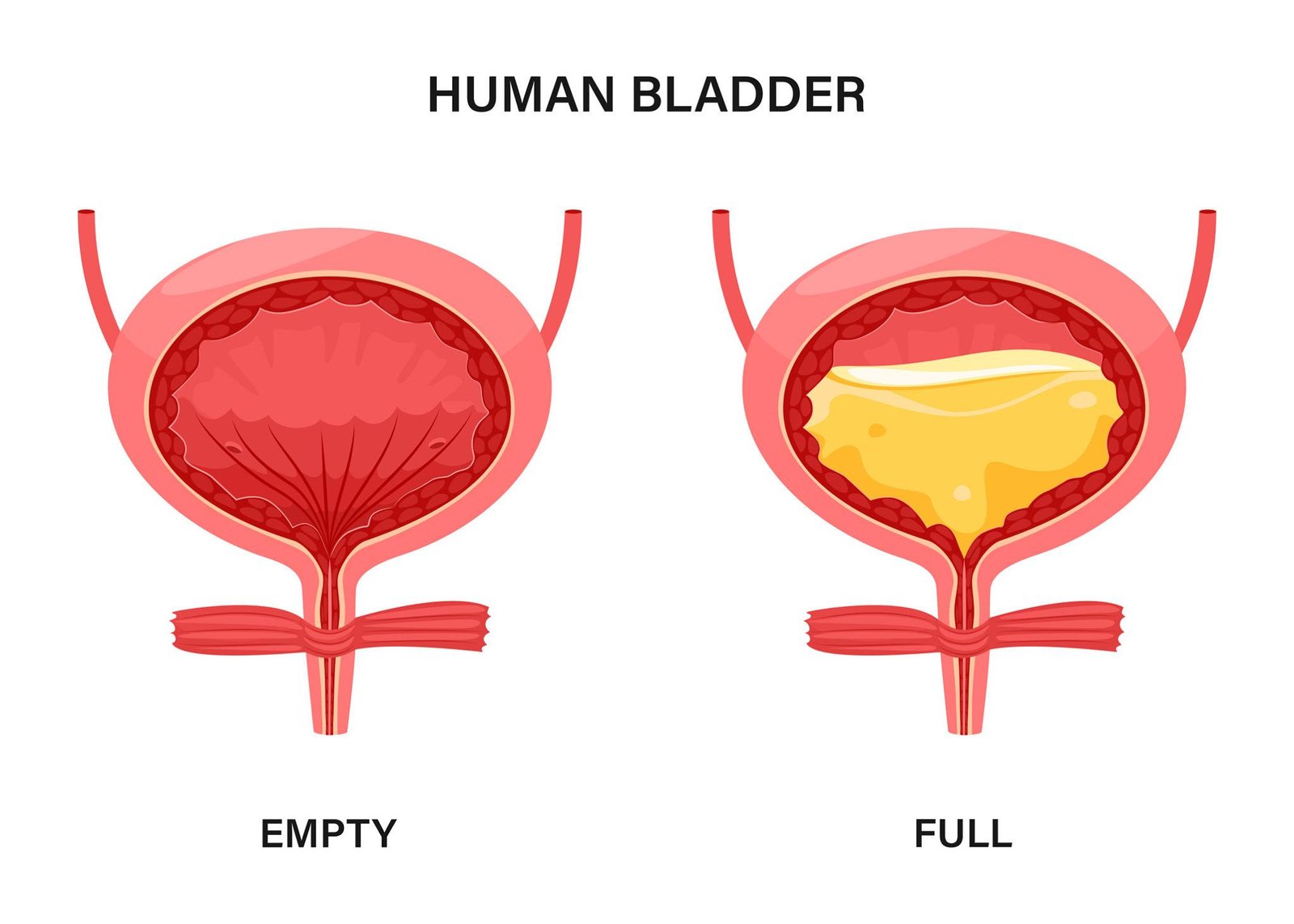
Normally, your bladder fills quietly and sends you a gentle signal, and you can wait until it’s convenient. With OAB, that signal arrives suddenly and urgently, often when the bladder holds only a little urine. It can happen with or without leaking.
OAB isn’t caused by drinking too much water or simply having “weak” muscles. The bladder, nerves, brain and pelvic floor all play a part.
7 common signs
- Sudden urgency. An urge that comes out of nowhere, or hits when you put your key in the door or hear running water.
- Going often during the day. Frequent trips, often passing only a little.
- Waking at night to pee (nocturia). This can wreck your sleep, energy and mood.
- Leaking with the urge (urge incontinence). Leaking before you reach the toilet. Not everyone with OAB leaks.
- Feeling you need to go again soon after you’ve been.
- Struggling to wait, even for a meeting to end or a short line.
- Planning life around washrooms. Avoiding road trips, outings or exercise classes, or cutting back on drinks before you leave home.
There’s no magic number of bathroom trips. If urgency or frequency is affecting your life, it’s worth getting checked.
What causes it?
Often there’s no single cause. Common contributors include:
- Bladder muscle activity. The bladder wall muscle can contract before it should.
- Pelvic floor problems. Muscles that are weak, or too tight and poorly coordinated, both affect bladder control. That’s why more Kegels isn’t always the answer.
- Habits. Going “just in case” can train your bladder to signal at smaller and smaller volumes.
- Menopause. Lower estrogen affects bladder and vaginal tissues.
- Bladder irritants. Caffeine, alcohol, fizzy drinks and some acidic or spicy foods bother some people. Triggers are individual.
- Other conditions. Urinary tract infections, diabetes, constipation, neurological conditions, bladder stones, some medications and, in men, prostate problems. This is why an assessment comes first.
OAB, incontinence or a UTI?
OAB is about urgency. Incontinence means leaking. You can have one without the other.
- Urge incontinence: leaking after a sudden urge.
- Stress incontinence: leaking when you cough, sneeze, laugh, jump or run.
- Mixed incontinence: both.
A urinary tract infection can feel like OAB, but it usually also brings burning when you pee, and sometimes fever or blood in the urine.
Symptoms of Overactive Bladder vs. Urinary Tract Infection (UTI)
Sudden urgency: Common in both overactive bladder and UTI.
Frequent urination: Common in both conditions.
Urine leakage: Sometimes occurs in both conditions.
Burning sensation while urinating: Not typical of overactive bladder but common in UTI.
Fever or chills: Not typical of overactive bladder but may occur with UTI.
Blood in urine: Requires medical assessment and can occur with UTI.
Burning, fever, chills, blood in your urine or new symptoms? See your doctor for a urine test.
Ready to take back control? No referral needed · Direct billing to insurance · Evening and Saturday appointments. Call (343) 809-9355
Try this when the urge hits
Rushing to the toilet often makes urgency worse. Next time a strong urge comes, try this instead:
- Stop. Stand still or sit down. Don’t rush.
- Squeeze quickly. Do five quick, strong pelvic floor squeezes. This signals your bladder to settle.
- Breathe. Take a slow breath in, and a long breath out.
- Distract yourself. Count backwards from 100 in sevens, or name the songs on an album.
- Walk calmly to the toilet once the urge has eased.
It takes practice, and it works best alongside a full bladder training program.
How is OAB treated?
Bladder training is a first-line treatment. UK national guidelines recommend at least six weeks of it for urgency (NICE NG123). You track your habits, then slowly stretch the time between bathroom trips, using urge-control strategies like the one above. Never force yourself to hold when you’re in pain.
Pelvic floor physiotherapy helps your muscles do their job: contracting when you need control and relaxing when it’s time to empty. Depending on your assessment, we may work on coordination, relaxation, strength, breathing and urge control. Learn more about our Pelvic Health Physiotherapy service, or our Men’s Pelvic Health service.
Smart fluid habits. Don’t cut back on fluids. Too little makes urine more concentrated and can irritate the bladder. Spread drinks through the day, ease off close to bedtime if nights are a problem, and follow your doctor’s advice if you have kidney or heart conditions.
Track your triggers. A three-day bladder diary of what you drink, how much you pee and when urges strike shows patterns quickly. If caffeine is a trigger, cut back gradually.
Treat constipation. A full bowel presses on the bladder and pelvic floor.
Medical treatment. If these steps aren’t enough, your doctor may discuss medications (anticholinergics or beta-3 agonists), Botox injections into the bladder, or nerve stimulation (tibial nerve stimulation or sacral neuromodulation).

When to get help
Book an assessment if urgency, frequent trips, waking at night or leaking are affecting your sleep, work, exercise or confidence.
See a doctor promptly for blood in your urine, painful urination, fever, chills or new unexplained symptoms. Get urgent care if you can’t pee even though your bladder feels full.
Frequently asked questions
How many bathroom trips a day is too many? There’s no single number. If you go more than feels normal for you, or urgency rules your day, get it checked.
Can stress cause overactive bladder? Stress and anxiety can make urgency feel worse, but they’re rarely the whole story.
Can overactive bladder be cured? Many people improve significantly. Others manage it well long term. Most people see real change with bladder training and physio.
Are Kegels good for overactive bladder? For some people. If your pelvic floor is already tense, relaxation and coordination work matter more than squeezing.
Does OAB affect men? Yes. Men can also have urgency, sometimes linked to the prostate. Pelvic floor physio helps men too.
You don’t have to plan your life around a bathroom
Urgency and constant trips are common, but they’re not something you have to live with.
Book a pelvic health assessment in Nepean, Ottawa. No referral needed · Direct billing to insurance · Evening and Saturday appointments. Call (343) 809-9355
This article is for education only and doesn’t replace a medical assessment. New or unexplained urinary symptoms should be checked by a healthcare professional.