


Have you noticed heaviness in your vagina, pressure in your pelvis, or a small bulge near the vaginal opening? Maybe it feels like something is falling out, especially after a long day on your feet or a workout.
These can be signs of pelvic organ prolapse. It’s common, it’s treatable, and many people manage it well without surgery.
What is pelvic organ prolapse?
Your pelvic floor is a hammock of muscles, ligaments and connective tissue that holds up your bladder, uterus and rectum. When that support stretches or weakens, one or more organs can drop down and press into the vaginal walls.
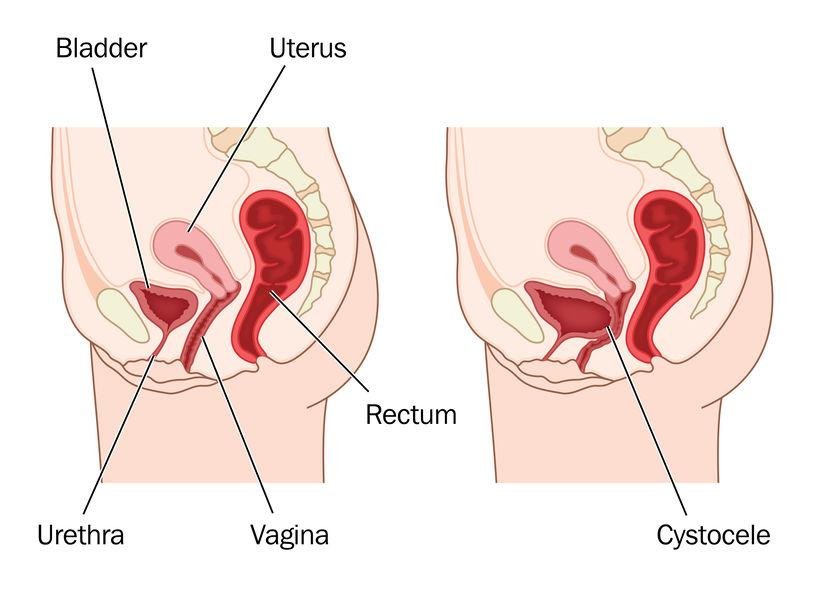
The main types:
- Cystocele (Anterior vaginal wall prolpase): the bladder presses into the front wall of the vagina.
- Rectocele (posterior vaginal wall prolapse): the rectum presses into the back wall of the vagina. This is different from rectal prolapse, where the rectum comes out through the anus.
- Uterine prolapse: the uterus and cervix drop down into the vagina.
- Vaginal vault prolapse: the top of the vagina drops, usually after a hysterectomy.
You can have more than one type at once. Some people have no symptoms at all, and only find out at a routine exam.
10 common signs of prolapse
- A bulge in or near the vagina. A soft lump inside, tissue at the opening, or something you feel when wiping or washing. It’s often more obvious when standing or straining.
- Pressure or heaviness. People describe a dragging or pulling-down feeling. It often builds through the day and eases when you lie down.
- A feeling that something is falling out. Most noticeable when walking, lifting, exercising, coughing or standing for a long time.
- Leaking urine. Leaking when you cough, sneeze, laugh, run or lift (stress incontinence) often comes with prolapse.
- Trouble emptying your bladder. A slow or stop-start stream, needing to go again right after, or changing position to empty fully. This can happen with a bladder prolapse.
- Urgency or frequency. Needing to go often or suddenly, including at night. A urine test can rule out an infection.
- Trouble emptying your bowels. Straining, feeling you haven’t finished, or needing to press on the vaginal wall or perineum to have a bowel movement (called splinting). This is a classic sign of a rectocele.
- Low back or pelvic ache. A dull ache, especially after standing or activity. Back pain has many causes, so this one needs assessing.
- Discomfort during sex. Pressure, discomfort in certain positions, or feeling self-conscious about a bulge. You don’t have to push through it.
- Symptoms that get worse as the day goes on. Feeling fine in the morning and heavy by evening is one of the most typical prolapse patterns. It’s a useful detail to share at your assessment.
Think you might have a prolapse?
What does prolapse feel like?
Prolapse usually isn’t painful. People more often describe pressure, heaviness, dragging, or a sense that something isn’t sitting where it should.
What You May Notice and What It Could Mean
A bulge near the vaginal opening: This may indicate vaginal wall or uterine prolapse.
Heaviness after standing: This could be a sign of pelvic pressure associated with prolapse.
Leaking during exercise: This may indicate stress urinary incontinence.
Difficulty emptying your bladder: This could be related to bladder prolapse or another urinary issue.
Difficulty passing stool: This may be associated with a rectocele or pelvic floor coordination problem.
Pressure or discomfort during sex: This may be related to prolapse or another pelvic health concern.
Symptoms alone can’t confirm a prolapse. A pelvic exam can.
Why does prolapse happen?
- Pregnancy and vaginal birth place big demands on the pelvic floor. Prolapse can also happen in people who have never given birth.
- Menopause and age change the quality of pelvic tissues.
- Chronic constipation and straining push down on the pelvic floor again and again.
- A long-term cough does the same.
- Heavy lifting can aggravate symptoms, though you don’t need to stop lifting. You need to learn how to manage pressure.
- Pelvic surgery, including hysterectomy, can change how the organs are supported.
How is prolapse diagnosed?
A doctor or pelvic health physiotherapist will ask about your symptoms, births, bowel and bladder habits and past surgeries, then examine the vaginal walls. A pelvic health physio also checks how well your pelvic floor muscles contract, relax and coordinate, which shapes your treatment plan.
Can prolapse be treated without surgery?
Often, yes. Pelvic floor physiotherapy, a pessary (a removable support device) and simple changes to how you lift, breathe and empty your bowels help many people feel much better.
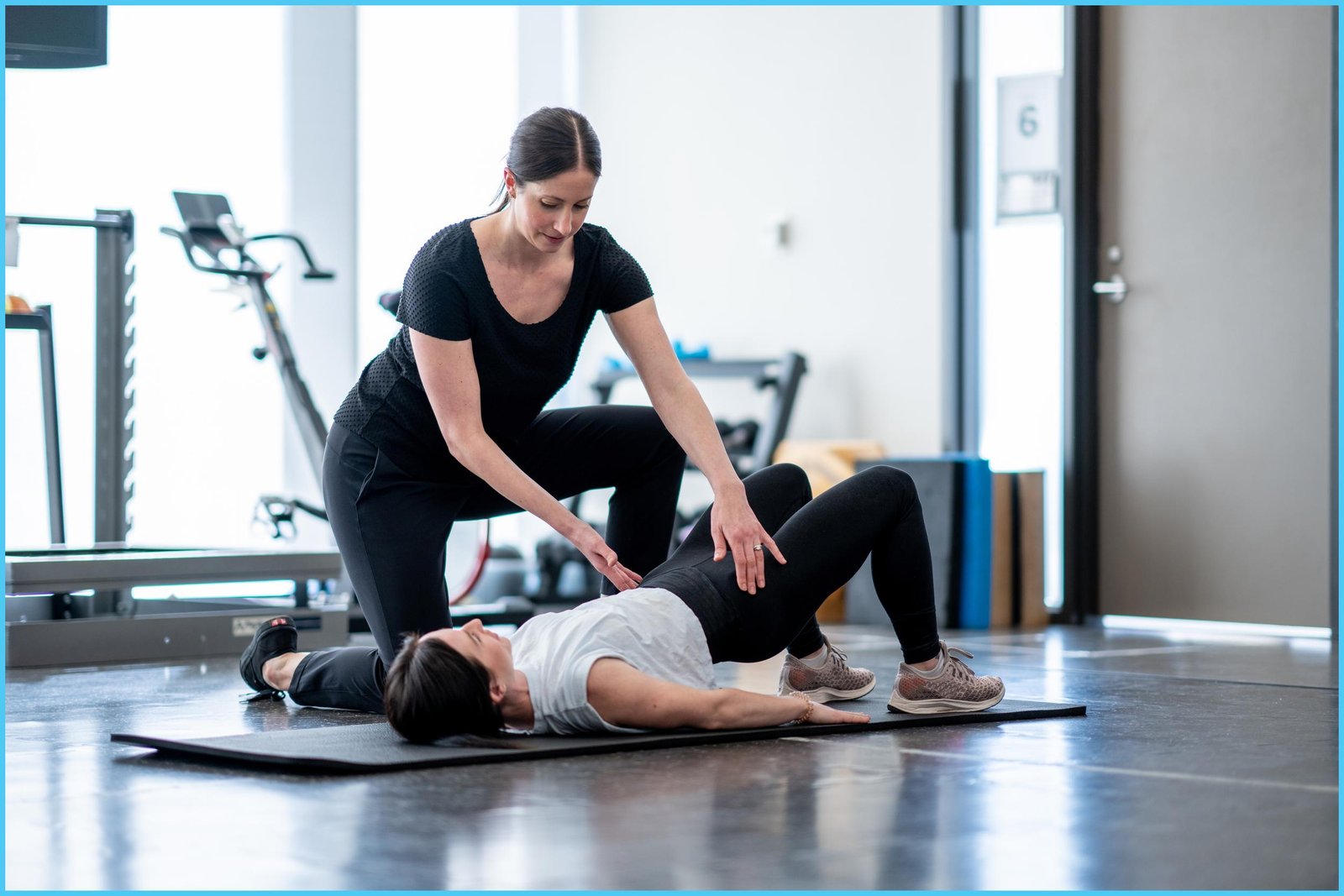
At Harmony Physiotherapy & Wellness, we provide both pessary fitting and prolapse physiotherapy to help support your pelvic health and improve your comfort and quality of life. Learn more about our services here: Pessary Fitting & Prolapse Physiotherapy
When to get checked
Book an assessment if you notice a new bulge, ongoing heaviness, leaking, trouble emptying your bladder or bowels, or discomfort that’s changing how you live.
Get medical help right away if you can’t pass urine, have sudden or severe pelvic pain, significant bleeding, or prolapsed tissue that becomes dark, discoloured or ulcerated.
Frequently asked questions
What’s usually the first sign of prolapse? Heaviness, pressure or a bulge near the vaginal opening. Some people have no symptoms at all.
Can prolapse happen during or after pregnancy? Yes. Symptoms can appear during pregnancy or after birth, and often improve with early pelvic floor rehab.
Does prolapse always need surgery? Not always. Many people manage well with physio, a pessary and lifestyle changes. Surgery is an option when symptoms are significant and other approaches aren’t enough.
Don’t wait until it’s worse
Prolapse can change how you move, exercise and feel in your body, but it doesn’t have to stop you doing what you love.
Book a prolapse assessment
This article is for education only and doesn’t replace a medical diagnosis. If you have pelvic symptoms, see a healthcare professional.